
What if losing 20 pounds could actually leave you less healthy?
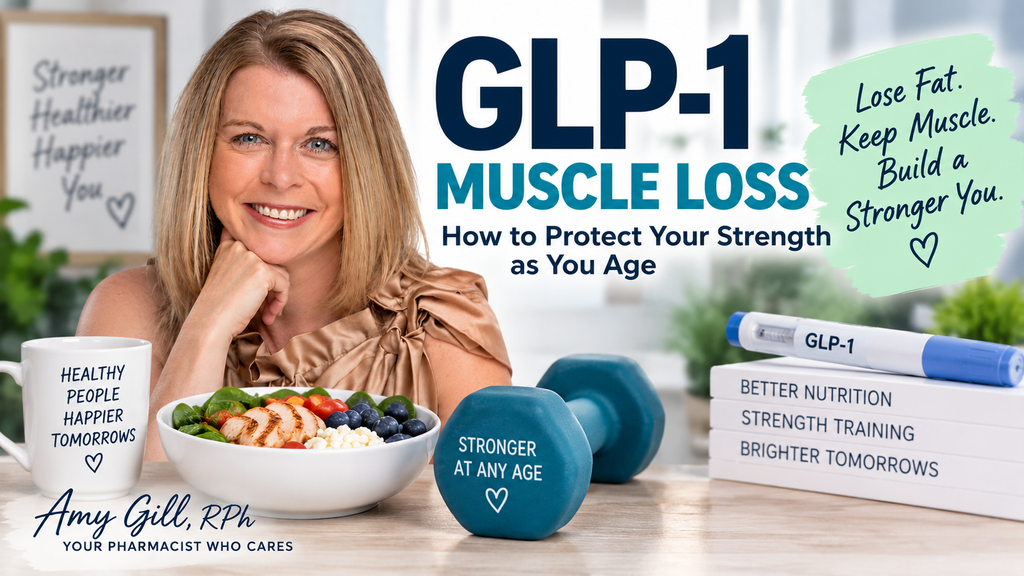
It can happen if too much of the weight you lose is lean mass instead of body fat.
With GLP-1 medications becoming increasingly common for weight loss, there is something I want more people, especially adults over 50, to understand:
The goal should not simply be to lose weight. The goal should be to lose fat while protecting your muscle, strength, and independence.
As a pharmacist, I talk with people regularly who are excited about the number going down on the scale. And yes, losing excess weight can be an important health win.
But I also ask another question:
What are you doing to protect your muscle while you’re losing weight?
Can GLP-1 Muscle Loss Happen During Weight Loss?
One concern getting more attention is GLP-1 muscle loss, especially for adults over 50 who are losing weight quickly.
GLP-1 medications help reduce appetite, which can make it easier to consume fewer calories and lose weight.
But weight loss does not automatically mean fat loss.
When someone loses weight quickly, some of that weight can come from lean body mass. Research discussed in my recent video found that lean mass accounted for roughly 25% to 39% of total weight lost in the trials examined.
That doesn’t mean GLP-1 medications are directly attacking your muscles.
The bigger concern is what can happen when reduced appetite leads to:
- Eating too few calories
- Not getting enough protein
- Losing weight rapidly
- Becoming less active
- Skipping resistance or strength training
These factors can make maintaining muscle more difficult, particularly as we get older.
Why Muscle Matters More as We Age
Muscle isn’t just about looking strong.
Muscle helps you stay independent.
Think about the everyday things you want to continue doing:
Getting out of a chair without struggling. Climbing stairs. Carrying groceries. Lifting a suitcase into an overhead compartment. Maintaining your balance. Recovering from an illness. Playing with your children or grandchildren. Traveling, hiking, gardening, and enjoying your life.
Muscle helps make those things possible.
We naturally tend to lose muscle as we age, which makes protecting it even more important for adults in their 50s, 60s, 70s, and beyond.
That’s why I don’t want someone to celebrate losing 20 pounds without also thinking about what kind of weight they lost.
How to Protect Muscle While Taking a GLP-1
If you’re losing weight with a GLP-1 medication, don’t simply focus on eating less.
Focus on eating better.
When your appetite decreases, every bite becomes more important.
1. Prioritize Protein
Protein plays an important role in maintaining muscle.
In my video, I discussed a general target of approximately 1 to 1.2 grams of protein per kilogram of body weight for adults over 50, with individual needs potentially varying depending on activity level, health conditions, and other factors.
Good protein-rich foods can include:
- Eggs
- Greek yogurt
- Cottage cheese
- Fish
- Chicken
- Lean meats
- Beans
- Other high-quality protein sources
If you’re eating significantly less because of a GLP-1 medication, you want the food you are eating to provide meaningful nutrition.
One thing I personally like to keep in my refrigerator is protein balls. They’re easy to grab after a workout or when I need something quick instead of reaching for something less nutritious in the pantry.
The key is making healthy choices convenient.
2. Add Strength Training, Not Just Walking
I hear this frequently:
“But Amy, I walk.”
That’s great!
Walking is wonderful for cardiovascular health and staying active. But walking isn’t a replacement for resistance training when your goal is maintaining and building muscle.
You need to challenge your muscles.
Depending on your health and ability level, resistance exercise might include:
- Free weights
- Resistance bands
- Weight machines
- Bodyweight exercises
- A structured strength-training program
I personally work with a trainer twice a week because having those appointments on my calendar gives me accountability.
Find what works for you.
The important part is making strength training a consistent part of your routine and gradually progressing as you become stronger.
3. Pay Attention to More Than the Scale
When someone comes back to the pharmacy for a refill and tells me how much weight they’ve lost, I’m happy for them.
But I also want to know how they’re feeling.
Ask yourself:
Am I getting weaker?
Are you having more difficulty getting out of a chair?
Is carrying your laundry basket suddenly harder?
Are the groceries feeling heavier?
Are you struggling with activities that used to be easy?
Also consider:
- Am I eating enough?
- Am I getting enough protein?
- Am I losing weight extremely quickly?
- Am I doing resistance or strength training?
- Am I maintaining my ability to do everyday activities?
The scale is only one measurement.
Your strength and ability to function matter too.
Why Muscle Loss Can Be Especially Concerning After 50
Maintaining strength becomes increasingly important as we age.
Loss of muscle and strength can make everyday activities harder and may contribute to problems with balance, mobility, and independence.
That’s exactly what we’re trying to prevent.
You don’t want to reach your target weight only to discover that you’ve become significantly weaker along the way.
You want to be able to travel.
You want to climb the stairs.
You want to get on the floor and play with your grandchildren and be able to get back up.
You want to carry your own groceries.
You want to continue doing the things you love.
That’s why maintaining muscle isn’t simply a fitness goal.
It’s an independence goal.
GLP-1 Weight Loss Should Be About Better Health
GLP-1 medications can be an important tool for appropriate patients, but the goal shouldn’t simply be maximum weight loss.
The bigger goal should be improving your overall health while protecting your muscle and ability to function.
Think:
Lose fat. Keep muscle. Build strength. Protect your future self.
Whether you’re 40, 50, 60, 70, or beyond, strength training and adequate nutrition matter.
And you don’t have to be taking a GLP-1 medication for this advice to be important.
We all need to think about maintaining muscle as we age.
Frequently Asked Questions
Do GLP-1 medications cause muscle loss?
Weight loss while taking a GLP-1 medication can include some loss of lean mass. Factors such as rapid weight loss, inadequate protein intake, and lack of resistance training can make maintaining muscle more difficult.
How can I protect muscle while taking a GLP-1?
Adequate protein, resistance training, appropriate calorie intake, and working with your healthcare team can help support muscle maintenance during weight loss.
How much protein should adults over 50 eat while losing weight?
Protein needs vary by individual. Amy discusses a general range of approximately 1 to 1.2 grams per kilogram of body weight, but your healthcare professional or dietitian can help determine an appropriate target.
Talk With Your Healthcare Team
If you’re taking a GLP-1 medication or considering one, talk with your physician, pharmacist, dietitian, or other qualified healthcare professional about your individual nutritional needs, appropriate rate of weight loss, protein intake, exercise, medications, and medical conditions.
Your plan should be personalized to you.
And if you have questions about practical ways to increase your protein intake or make healthier choices easier, reach out. These are the kinds of conversations I love having with people every day.
We’ve got one chance at this life.
Let’s make it a healthy and strong one.
Amy Gill, RPh
Your Pharmacist Who Cares
This article is for educational purposes and is not a substitute for individualized medical advice. Talk with your healthcare professional before making changes to your medication, nutrition, or exercise program.
Pingback: How to Improve Gut Health: Tips From a Pharmacist